
Better Hearing Blog

Reading Glasses for Ears
Recent interest in over-the-counter hearing instruments called “personal sound amplification products” (PSAPs) has been piqued by studies showing they may prove to be beneficial for...

Anemic Response
In order to effectively treat hearing loss, it is important to pinpoint its cause. Reasons for diminished hearing ability can range from excessive noise to earwax (cerumen) blockage...

Better Hearing Improves Cognitive Power
One of the things about aging that seniors fear most is cognitive decline that robs them of their memory and reasoning power. Fortunately, it is possible to help stave off dementia by...

Repeating Problem
If you find yourself constantly asking people to repeat what they have said to you, it is a good indication that you have a hearing problem that should be diagnosed and treated....

Hearing Your Own Pulse
To understand “pulsatile tinnitus,” it is helpful to know the difference between the two main types of hearing loss: “conductive” and “sensorineural.” Conductive loss is due to...
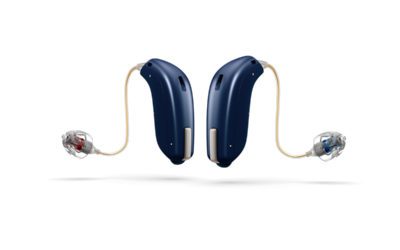
Listening With Both Ears
Those with hearing loss in both ears benefit most from wearing a hearing instrument in each ear. Being fitted with “binaural” hearing instruments provides the listener with a better...

Painkillers Linked to Hearing Loss
As you probably already know, over-the-counter pain-killing medications such as acetaminophen and ibuprofen come with their share of potential side effects, some of which may be quite...
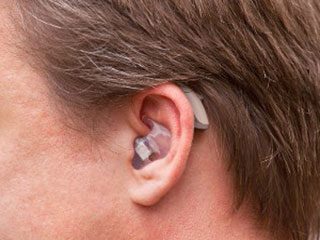
Avoiding Waxy Buildup
It is especially important for hearing instrument users to avoid earwax (cerumen) buildup. Accumulations of the fatty substance produced by the sweat glands inside the ear not only...

Antidepressants May Exacerbate Tinnitus
If you take antidepressant medication in the class of drugs known as selective serotonin reuptake inhibitors (SSRIs) and experience tinnitus (ringing in the ears), you should know...