
Better Hearing Blog

Coming to Your Senses
Our ability to feel, see, hear, taste, and smell is what connects us to other people and the outer world in general. Thus, it comes as rather sobering news that the first study to...

Cool, Calm and Connected
As increasing numbers of people have come to view hearing instruments as a technology extension to the smartphone, their coolness factor has risen commensurately. No longer regarded...
Regrowing Hair (Cells)
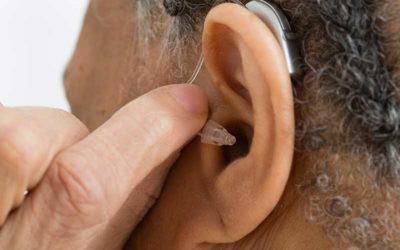
Central to the type of hearing loss known as “sensorineural” is damage to the tiny “hair cells” that reside within the cochlea, where these sensory receptors convert sound waves into...

Notable Hearing Impaired Musicians
Eric Clapton recently expressed concerns that he had tinnitus and was “going deaf.” No less a musical talent than Ludwig van Beethoven shared these same concerns as he progressed from...

Presbycusis
“Presbycusis” refers to the slow and progressive loss of hearing that affects both ears to the same degree and usually starts around the age of 50. This age-related loss of hearing...

Nicotine Exposure and Children’s Hearing Loss
Despite the fact that smoking during pregnancy has been linked to premature birth, low birth weight, and sudden infant death syndrome, the Centers for Disease Control and Prevention...

The “Right” Way to Listen.
When people lean in to intently listen to what another person is saying, they usually instinctively turn their heads to the right side. There is a reason for this. Recent research has...

“CROS” Sections
Individuals who have normal to moderate hearing loss in one ear and no usable hearing in the other ear might be helped by a “CROS” (contralateral routing of signal) or “BiCROS”...
Buzz Kills
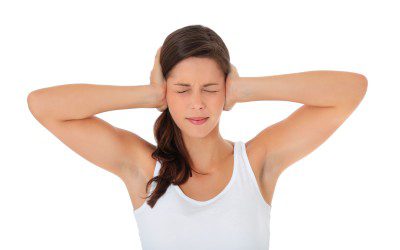
“Tinnitus” (ringing or buzzing in the ears) typically occurs as a result of overexposure to loud noises that damage the hair cells of the inner ear. Consequently, musicians,...