
Better Hearing Blog

Wind Noise Reduction is a Breeze
While sailors may delight in the prospect of taking to the ocean on a windy day, those wearing hearing instruments often find that the wind poses a challenge to hearing that must be...
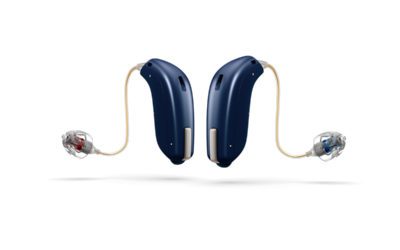
Hearing Loss in Both Ears
In most cases, hearing loss occurs in both ears at roughly the same rate. This means that people who visit the hearing instrument specialist with the expectation that they will need...

Sharper Hearing, Sharper Mind
In an effort to examine the link between a form of age-related hearing loss (involving the inner ear and **hearing nerves) and the risk of developing mild cognitive impairment (MCI),...

Hearing Loss’ Ripple Effect
Anyone who suffers from hearing loss should bear in mind that appropriate treatment with a hearing instrument not only benefits the person wearing it, but also those with whom he or...
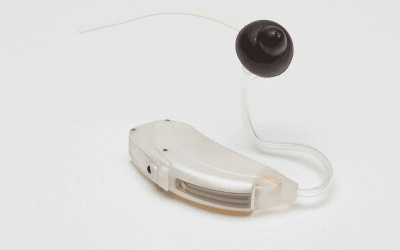
Open to Change
Over the past fifteen years, “thin tube” and “receiver-in-the-ear” (RITE) hearing instruments have come to dominate the “behind-the-ear” (BTE) market. These smaller, stylish designs...

Distracted Listening
Recent research indicates that listening to something while looking in a different direction slows reaction times, as the brain works to overcome distractions. Whether we are driving...

Prepare for Landing
Jet travelers often encounter the potentially painful problem (medically known as “barotrauma”) of having their ears blocked and in need of “popping.” Most people respond to this...

Another Inconvenient Truth
When older adults shun the use of hearing instruments, it’s often due to the stigma attached to wearing one. Many figure they can endure the inconvenience of missing a few words of...

Getting the Right Signal
One of the keys to improving the understanding of speech in a noisy environment involves improving the “signal-to-noise” ratio (SNR). An SNR figure indicates how many decibels louder...