
Better Hearing Blog
Hearing Loss Goes Viral
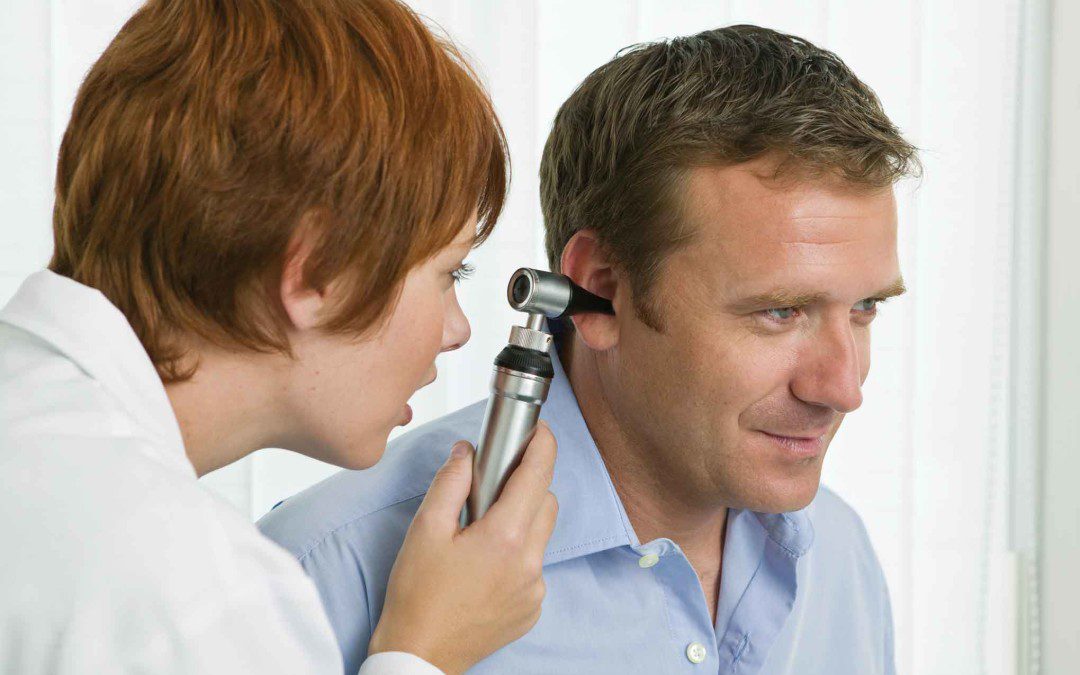
The first step to take when hearing loss occurs is to schedule a medical evaluation. On the basis of this exam, the physician can determine whether the hearing impairment is due to an obstruction (conductive loss) or a nerve-related cause (sensorineural loss). A conductive loss can involve something as simple as a large accumulation of earwax. Even a viral infection associated with the common cold can lead to conductive hearing loss due to a build-up of fluid in the Eustachian tube (which runs from the back of the nose to the middle ear). Making the distinction between a conductive loss and a sensorineural loss helps guide the decision as to whether a hearing instrument could prove useful.
Many people are concerned that they produce too much earwax, but there is usually no cause for concern. While it’s possible for earwax to build up and partially or completely obstruct the ear canal, it can be removed. Hearing professionals recommend that you have your hearing evaluated once a year. To schedule a hearing assessment, please call BETTER HEARING CENTER. We are New Hampshire’s premier hearing care provider.
P.S. A “mixed” hearing loss is caused by some combination of both a conductive hearing loss and a sensorineural one.

A New Tinnitus Treatment
“Tinnitus” (ringing or buzzing in the ears that occurs without an external source) is a symptom of age-related hearing loss and noise-induced hearing loss that affects about one person in five. Twenty percent of chronic tinnitus sufferers report that the condition is “clinically significant” and disrupts their lives. Fortunately, many people respond to treatment involving fitting with a hearing instrument, which improves hearing ability and diminishes the distraction of annoying buzzing and ringing. The introduction of white-noise “masking” sounds may also help cover up tinnitus sounds. In addition, recent research suggests that augmenting these treatments with electromagnetic pulses (delivered with a coil to the scalp) may further improve tinnitus symptoms. The treatment is administered in sessions, over a tenday period.
Most people essentially take their hearing for granted. Others are either unaware that they have a hearing deficiency or dismiss the notion that they are placing their hearing at risk by exposing their ears to high-volume sound. People who work in noisy environments are particularly at risk for tinnitus. If you have ringing consistently on one side, please call BETTER HEARING CENTER. New Hampshire’s premier hearing care provider, we are the only hearing center that has served the Concord area for over 50 years. New Hampshire’s premier hearing care provider.
P.S. According to an initial study of the effect of “repetitive transcranial magnetic stimulation” (rTMS) on tinnitus, study participants experienced a 31% reduction in their tinnitus at the 26-week mark after treatment.

The Most Popular Feature
Today’s digital hearing instruments sample the sounds in the user’s environment and use that data to continually adjust the sound that the user hears in accordance with his or her hearing loss. Because this all happens instantaneously and automatically, the user does not have to make manual adjustments. With this technology in hand, manufacturers are able to provide technology that addresses one of the biggest complaints voiced by users of hearing instruments: feedback. This annoying whistling sound occurs when the sound that travels through a microphone to speakers is continuously picked up by the microphone and re-amplified. By canceling out this unwanted noise, manufacturers are able to defeat feedback without compromising performance.
Selecting the type of hearing instrument that is right for your hearing loss and unique listening needs requires the guidance of a professional well versed in all of variations of hearing aid technology. To schedule a hearing exam, please call BETTER HEARING CENTER. Our goal is to provide you with everything you need to know to make the right decisions for your hearing health. New Hampshire’s premier hearing care provider.
P.S. A traditional analogue hearing instrument simply amplifies all sounds, while digital instruments have “multimemory settings” that allow a hearing instrument to perform differently in many specific hearing environments.

Instrumental Change
Being a musician has its challenges. From a hearing specialist’s standpoint, musicians must guard against noise-induced hearing loss. The best way for musicians to preserve their hearing is to wear headphones or earplugs so they can modulate the sounds entering their ears. On the other hand, playing music can not only be a joyful experience, but there is new research showing that it can actually improve hearing ability. According to an examination of musicians between ages 45 and 65, their auditory memory and ability to hear speech in noisy environments were better than those of non-musicians of similar ages. It appears that music training fine-tunes sound processing centers of the brain, thereby priming them for the perception of speech.
In addition to earplugs, another option for musicians is an in-ear monitor. This innovation in the music industry allows each band member to hear the part of the music he or she requires to perform well. It can provide some noise reduction and eliminate the need for much larger stage monitors, which are a source of increased noise onstage. To learn more, please call BETTER HEARING CENTER . New Hampshire’s premier hearing care provider.
P.S. Listening to and performing music are both necessary for experiencing the hearing improvement described above.
Features that Count
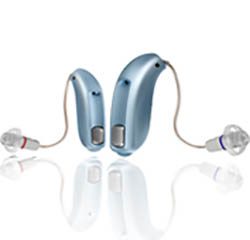
When choosing a hearing instrument, one of your primary goals is to better hear what people are saying to you. To this end, you will want to outfit your hearing instrument with features that reduce background noise. One component to consider is a directional microphone which reduces noise from the sides and the back of a listener and prioritizes sounds directly in front of the user. To further enhance the speech of conversation partners, it also helps to select an instrument with wide dynamic range compression to increase the volume of softer sounds over louder atmospheric and background noise. Wind noise managers which filter out sounds created by blowing wind, can also make conversation easier to understand. Modern hearing instruments are highly sophisticated and are intended to help assist with communication. Having a good understanding of their benefits as well as their limitations will help with a successful fitting for amplification. To schedule a consultation, please call BETTER HEARING CENTER . Let us help you get back to the world of hearing at New Hampshire’s premier hearing care provider .
P.S. Programmable hearing instruments enable users to adjust and store their settings to particular environments so that they can switch from one to another as listening circumstances change.
For the Open-Minded
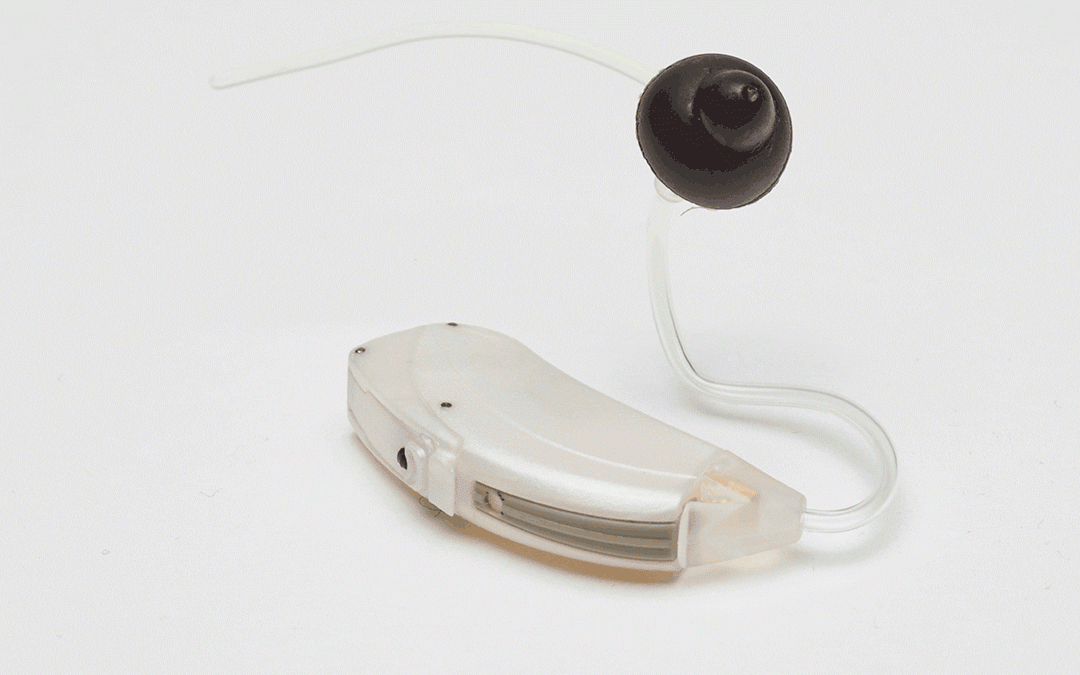
If you think that a Bluetooth headset wireless phone is an innovative piece of technology, take a look at the latest in hearing instrument technology. An “open-fit” hearing instrument is very similar to a behind-the-ear hearing device except that it is much smaller. In fact, an open-fit hearing instrument is more discreet than a Bluetooth headset. The part of the instrument (case) that sits behind the ear is housed in an elongated plastic shell. This part of the instrument feeds sound to the wearer’s ear through a thin, clear plastic tube with a very small tip that holds the tube in place in the canal. Since no earmold is needed, wearers feel more comfortable wearing an open-fit instrument.
If your loss is in the mild to moderately severe range and you have the dexterity to manipulate small objects, open-fit hearing aids may be a good option for you. To learn more about open-fit hearing aids, please call BETTER HEARING CENTER New Hampshire’s premier hearing care provider, we are the only hearing center that has served the Concord area for over 50 years.
P.S. Because an open-fit hearing instrument’s tip keeps the ear ventilated, it enables low frequency sounds to flow in and out of the ear without amplification.