
Better Hearing Blog

Get With the Program
As we go through our days at home, at work, and at play, we subject our ears to a number of different listening environments. We might have a quiet conversation over coffee in the...

Making a Qualitative Difference
Hearing loss can affect older individuals in ways that may not be readily apparent. Because hearing loss makes it more difficult to carry on a conversation, it can impair the ability...
When Less is More
Current digital hearing instruments process the sound that wearers hear to make speech more understandable. By utilizing “wide dynamic range compression,” modern hearing instruments...

A Ringing Endorsement
Ringing in the ears (tinnitus) often accompanies hearing loss. In fact, most tinnitus can be traced to noise-induced damage and age-related changes that occur among the sound-sensing...

Degree of Difficulty
With a “mild” hearing loss (26 to 41 dB range), people can typically hear one-on-one conversations as long as they can see the speaker’s face and are listening at close range....
The Sound of Music
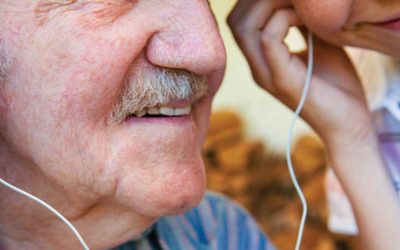
Hearing instruments are primarily designed to amplify speech, not listen to music. Human speech is largely between 30 decibels (dB) and 85 dB. While human speech has a range of about...
Diabetes Hearing Loss
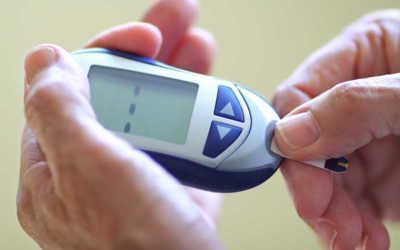
While nerve damage (neuropathy) associated with diabetes is commonly concerned with the hands and feet, hearing loss can be another complication of uncontrolled diabetes. Research...
Importance of Treating Hearing Loss
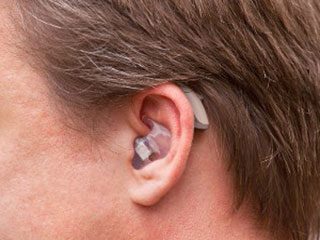
Generally speaking, there are two types of hearing loss. “Sensorineural” hearing loss, which occurs when there is damage to the inner ear (cochlea) or to the nerve pathways from the...

Advanced Features
Because today’s more advanced hearing instruments contain microchips, they can be expected to perform many of the operations found in other computer-driven devices. For instance, just...