
Better Hearing Blog
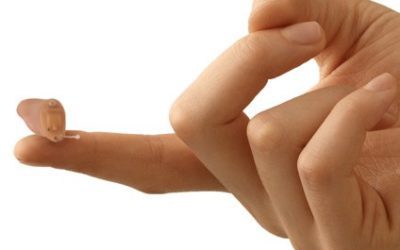
When Size Matters
As its name suggests, a “completely-in-the-canal” (CIC) hearing instrument fits entirely into the ear canal of the user, where it is all but invisible to onlookers. For this reason,...

Gene Behind Otosclerosis Identified
“Otosclerosis” is a hereditary condition that affects one in 200 people. It results in conductive hearing loss that causes individuals to begin to lose their hearing in their 20s and...

Selective Listening
Many parents claim they can hear their children’s voices over the din in noisy environments. As it turns out, this ability may be an adaptation that the ears develop in response to...

Tone Deafness’ Social Implications
You may be familiar with the terms “tone deaf” or “congenital amusia,” which refer to the inability to accurately perceive differences of musical pitch. Tone deafness is estimated to...

The Importance of a Hearing Test
One important reason for having your a hearing test is that any detected hearing loss will prompt you to have its cause diagnosed. Generally speaking, there are two types of hearing...

Hear Better, Live Longer
Hearing-impaired elderly individuals who elect to wear hearing instruments are likely to experience a higher quality of life than those with hearing losses that go untreated. Thus,...
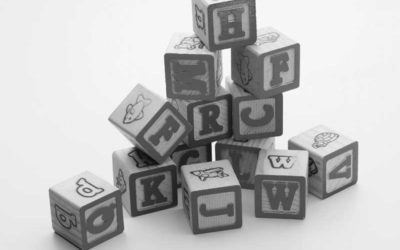
Frequency Shifting
High-frequency hearing loss makes it difficult to perceive many of the high-frequency voiceless consonants such as the “t,” “k,” “f,” “th,” “sh,” and “s” sounds. As a result, those...

Diet and Hearing, the Correlation.
While there is no evidence that dietary supplements prevent hearing loss or improve hearing, some studies suggest that a healthy diet is conducive to good hearing. One study found...

Hardly Inconsequential
While some persist in viewing hearing loss as an inconsequential part of aging, significant hearing impairment has been linked with substantial physical, psychological, and social...