
Better Hearing Blog

Detecting Teen Hearing Loss
With so many youngsters exposing themselves to loud noise that can rob them of their hearing ability, it is important to develop new tests to detect adolescent hearing loss. If...

Swimmer’s Ear
While the outer ear infection commonly known as “swimmer’s ear” is usually associated with young children and the summer months, it can occur at any age, at any time of the year....
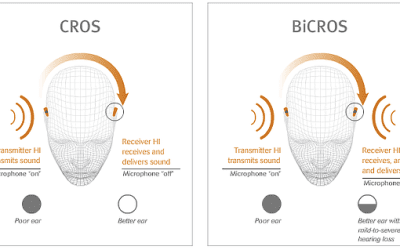
Unilateral Hearing Loss
Unilateral hearing loss makes it difficult to sense distance and sound direction. Known as the “head shadowing effect,” listeners with good hearing in only one ear must tilt their...
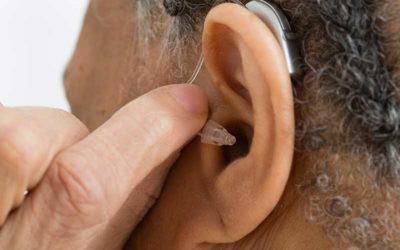
Ease into Hearing Aid Use.
While many hearing specialists recommend that people with newly prescribed hearing instruments wear them all day when they are first fitted with the devices, not everyone can do so...

Tinnitus, what is it?
It is estimated that one in ten U.S. adults has experienced “tinnitus” during the past 12 months. These people experience ringing in one or both of their ears when there is no...

Phonak Audéo™ B-R wins prestigious iF DESIGN AWARD 2017
As the leading provider of the most complete product portfolio of hearing instruments and wireless communication solutions, Phonak Audéo™ are pleased to announce that their Audéo B-R...

Noise Effects
Regular readers of this column are continuously advised to shield their ears from noise, a common cause of hearing loss. According to the World Health Organization (WHO), noise...
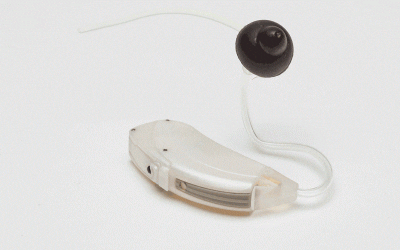
Open-fit Discussion
Open-fit hearing instruments have become immensely popular because they deliver natural sound quality. This is due, in large part, to the fact that the open-fit design eliminates the...

A Balanced Approach
The inner ear contains the “cochlea,” which produces nerve impulses that are transmitted via the auditory nerve to the brain, as well as the “vestibular system,” a collection of...