
Better Hearing Blog
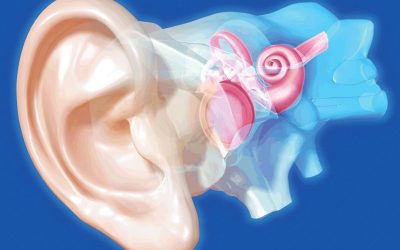
Avoiding Blockage
While “sensorineural hearing loss” is caused by inner-ear hair-cell damage or problems with nerve pathways that lead from the inner ear to the brain, “conductive hearing loss” is...
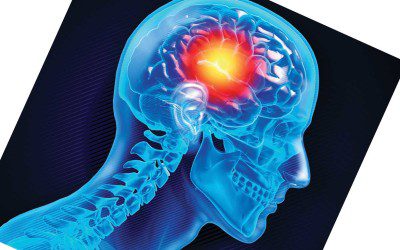
Improved Hearing Boosts Brain Power
Hearing loss can compromise cognitive ability because the brain must put added effort into understanding speech. Thus, it makes sense that new research indicates that providing...
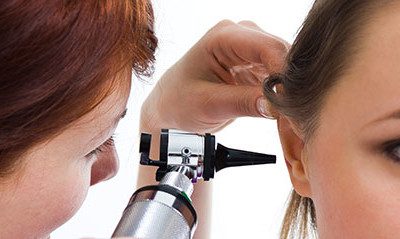
Demonstrating Impulse Control
Today’s digital hearing instruments use “algorithms” (which are sets of step-by-step instructions that are used to accomplish a task) to analyze and categorize incoming sounds. In...

Painkillers Linked to Hearing Loss in Women
Regular readers of this column know that one of the best ways to avoid hearing loss is to reduce exposure to loud noise. Now, new research suggests that prolonged use of certain...
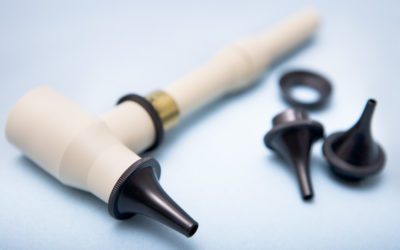
Auditory Fatigue
The inner ear contains delicate “hair cells” that are responsible for converting sound-induced vibrations into electrical impulses that are recognizable to the brain. These hair cells...

Communicating with the Hearing Impaired
Regardless of how old you are or what you do, you are likely to meet someone who suffers from hearing loss. To facilitate conversation, it is important not to begin speaking until you...
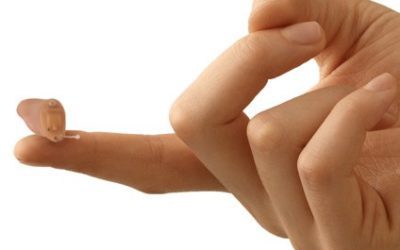
The Smallest of The Small.
For those who are intent on wearing a hearing instrument that is so tiny that they will be the only ones to know that they are wearing one, there is the “Invisible-in-the-Canal” (IIC)...

Selective Sound Sensitivity Syndrome
The alliterative term “selective sound sensitivity syndrome” (or “misophonia”) is used to describe a condition whereby a person experiences an intense emotional reaction to a specific...

Anemia Tied to Hearing Loss
Because hearing loss is so prevalent among older individuals, researchers have sought to find factors that will help identify those at increased risk. This research has recently...