
Better Hearing Blog
Listening With Both Ears
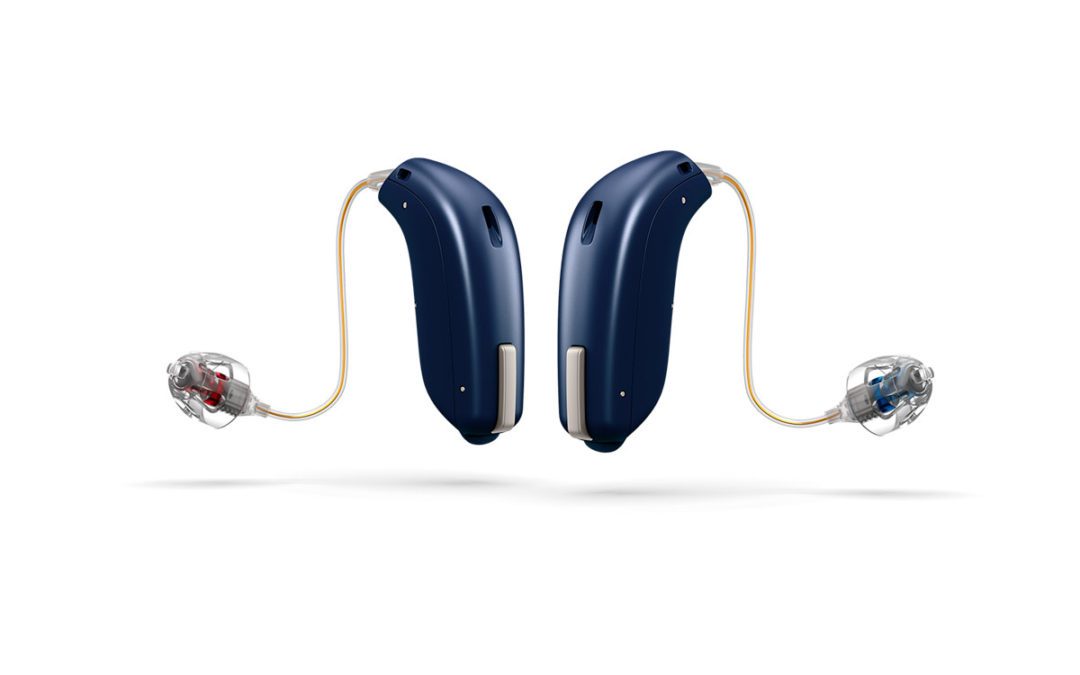
Those with hearing loss in both ears benefit most from wearing a hearing instrument in each ear. Being fitted with “binaural” hearing instruments provides the listener with a better ability to locate sounds. This increased “localizing” capability occurs by being able to differentiate between the spatial location of a desired speaker and undesired noise. When spatial separation is present, the central auditory system normally functions to allow the suppression of undesired background noise and the capacity to concentrate on desired speech. To better understand the advantage of binaural listening over monaural listening, those with normal hearing should try plugging one ear with a finger while trying to hear the words of a conversation partner in a noisy restaurant.
Proper hearing promotes better communication. When an uncorrected hearing impairment causes the loss of special moments in your life, it’s time to rediscover the benefits of healthy hearing and learn about the marvelous wonders now available in hearing instruments. Come see us at BETTER HEARING CENTER and discover how today’s hearing aids are virtually disappearing from sight whether you’re wearing one instrument or two. As New Hampshire’s premier hearing care provider, we offer a complete range of hearing healthcare services.
P.S. One advantage of wearing two hearing instruments is increased tinnitus suppression.

Painkillers Linked to Hearing Loss
As you probably already know, over-the-counter pain-killing medications such as acetaminophen and ibuprofen come with their share of potential side effects, some of which may be quite serious. One recent example of this type of side effect comes from a study that uncovered an association between hearing loss and the long-term use of acetaminophen and “non-steroidal anti-inflammatory drugs” (NSAIDs) such as ibuprofen. When researchers analyzed data on 55,850 women between the ages of 44 and 69, they found that, over a 22-year period, one-third of the women reported some level of hearing loss. While this finding does not prove cause and effect, it does back up previous research indicating a link between hearing loss and painkillers.
If you’d like to know more about better hearing, the time to act is now. Visit BETTER HEARING CENTER to ask questions and get answers. Our staff can bring you up to date on the latest research and technology in the hearing aid industry. In addition to our extensive education and advanced equipment, we offer the most important benefit of all—long-term care and a future of unequalled service. Call us to arrange a comprehensive evaluation by a clinical audiologist. Most insurances accepted for hearing evaluations. We are New Hampshire’s premier hearing care provider.
P.S. According to the study mentioned above, regular use of acetaminophen over six years was linked to a nine percent higher risk of hearing loss compared with using the drug regularly for one year.
Avoiding Waxy Buildup
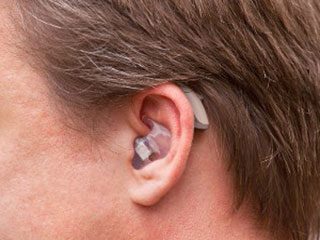
It is especially important for hearing instrument users to avoid earwax (cerumen) buildup. Accumulations of the fatty substance produced by the sweat glands inside the ear not only damage the hearing instrument, but they also can reduce its effectiveness by blocking sound, causing feedback, and producing poor fit. Left to its own devices, earwax will normally migrate through the ear canal and shed on its own. However, because a hearing instrument may block the wax’s normal passage, it is recommended that hearing instrument users visit a health-care professional every three to six months to inspect their ears with an otoscope and treat earwax impaction as needed. Treatment may involve the use of a dissolving agent, irrigation, or manual removal.
When it is difficult to tell whether ear wax or another physical impairment is causing a hearing loss, it’s time for a hearing test. Have a comprehensive hearing evaluation at BETTER HEARING CENTER so that we may accurately determine the reason behind your hearing loss. And if a hearing instrument is indicated, rest assured we carry a full range of brands and types, and we’ll find the one that is right for you. We also offer instrument repairs and cleanings. As New Hampshire’s premier hearing care provider, we are the only hearing center that has served the Concord, New Hampshire, area for more than 55 years.
P.S. Hearing instruments need to be cleaned daily and allowed to dry overnight.

Antidepressants May Exacerbate Tinnitus
If you take antidepressant medication in the class of drugs known as selective serotonin reuptake inhibitors (SSRIs) and experience tinnitus (ringing in the ears), you should know that your medication might be making your tinnitus worse. The irony of this link between SSRIs and worsening tinnitus is that previous research indicates that people with tinnitus are at increased risk of developing depression, in which case SSRIs may be prescribed. The link between the antidepressants and ringing in the ears may have to do with the fact that cells in the dorsal cochlear nucleus (DCN), which is the region of the brain involved in sensory processing and affected by tinnitus, become hypersensitive to sound with exposure to serotonin.
One of the most important services we provide at BETTER HEARING CENTER is helping our patients comprehend their hearing impairments and become aware of the products available to help improve their quality of living. We are committed to serving the needs of the hearing impaired. Can we help you? Let’s start with a hearing consultation and test. Then we’ll show you the amazing, revolutionary hearing instruments available today. As New Hampshire’s premier hearing care provider, we are the only hearing center that has served the Concord, New Hampshire area for more than 55 years.
P.S. To avoid any possible vicious circle between SSRIs and tinnitus, it may be best to treat tinnitus with a hearing instrument or masking device.
The “RITE” Stuff
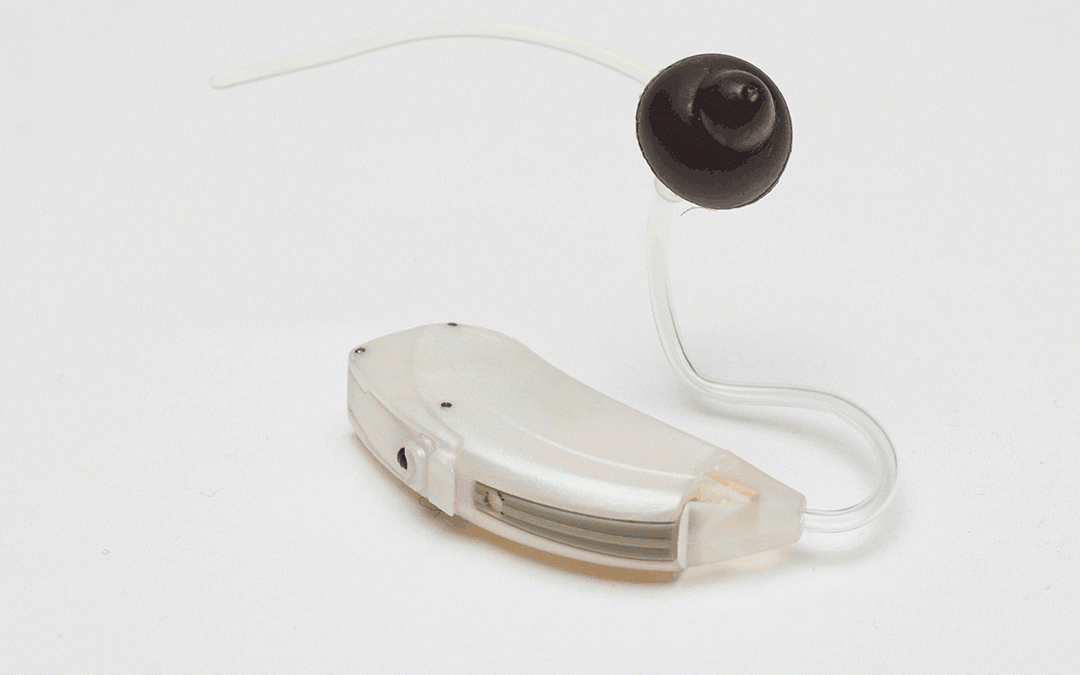
The most popular hearing instrument is the “receiver-in-the-ear” (RITE) type, which is also referred to as a “receiver-in-canal” (RIC) instrument. While these types of instruments are similar to “behind-the-ear” (BTE) hearing instruments, they differ in important ways. While a BTE instrument houses all the components in a single case that rests behind the ear, RITE/RIC instruments hold the amplifier and microphone in a case behind the ear and a small bud that contains the receiver is used inside the ear canal. A small tube connects the receiver to the case. The primary advantages of separating the two components are that the case is relatively unobtrusive behind the ear and the speaker fits very comfortably in and on the ear.
Keeping pace with the fast-growing technology of today’s hearing industry is an integral part of our business at BETTER HEARING CENTER. Our experienced staff will use specialized equipment to pinpoint and evaluate your hearing impairment. We then choose among a selection of hearing instruments to match the most appropriate aid with your individual needs. Our services don’t stop there, however, because we know how crucial follow-up care and support are to the successful wearing of any hearing instrument. We are New Hampshire’s premier hearing care provider.
P.S. Feedback and occlusion tend to be much less of a problem with RITE/RIC devices than they can be with other hearing instruments.

Hurricane Force
If you stifle a sneeze, you run the real risk of damaging your eardrums or sinuses or even getting an ear infection. The exhaled air from a sneeze exits through the nose and mouth at speeds of about 100 miles per hour. When these exits are closed, a sneeze has nowhere else to go but into the “Eustachian” tube (which connects the nasal passages to the middle ear) and on to the eardrum. Consequently, it is possible that a very strong sneeze could propel air into the eardrum forcefully enough to rupture it. Fortunately, it is more difficult to pinch the nose closed and shut the mouth during a sneeze than one might imagine. Still, it pays to be careful.
We bring you this column on hearing healthcare in order to better educate our friends here in Concord on the importance and benefits of taking care of their hearing, thus enhancing their quality of life. If you are having trouble hearing, or if a family member seems to be experiencing hearing difficulties, why not call us at BETTER HEARING CENTER? We offer comprehensive services by a skilled and specially trained certified clinical audiologist including hearing tests and evaluations, individualized hearing instrument fittings, and follow-up care. Most insurance’s accepted for hearing evaluations. We are New Hampshire’s premier hearing care provider.
P.S. Stifling a sneeze carries the possibility of pushing infected mucus through the Eustachian tube and back into the middle ear, and possibly developing into an infection.