
Better Hearing Blog
Breaking the Feedback Cycle
One of the primary complaints of older hearing instruments revolved around the problem of “acoustic feedback,” which occurs when some of the amplified sound leaks from the ear canal...

The Cocktail Party Effect
The term “cocktail party effect” refers to the human ability to focus on a single speaker while tuning out noisy background noise. Research indicates that the left side of our brains...
The Most Popular Hearing Instrument
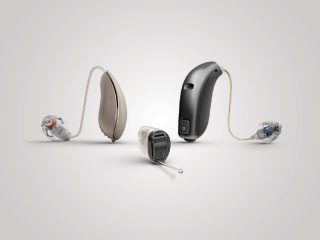
According to recent statistics released by the Hearing Industries Association (HIA), “open-fit” hearing instruments now account for more than half of all hearing instruments sold in...

Abnormally Loud
Sometimes we may raise our voices only slightly to get the attention of a person with hearing loss, only to have that person respond, “You don’t have to yell. I’m not deaf!” This type...
Tumor-Induced Hearing Loss
An “acoustic neuroma,” the most common inner ear tumor, begins growing within the inner ear. “Vestibular schwannoma,” as the tumor is also known, forms when Schwann cells, which wrap...

Surfer’s Ear
Anyone who regularly swims in cold ocean water or other chilly natural bodies of water may be surprised to learn about “external auditory exotosis” (otherwise known as “surfer’s...

“Hidden” Hearing Loss
It is estimated that one-quarter of today’s teens may have serious hearing damage and not even know it. It, therefore, becomes necessary that we find ways to diagnose hearing loss and...

Pitch Perfect
The term “absolute pitch,” more commonly referred to as “perfect pitch,” is the rare auditory ability to identify and recreate a musical tone without the help of a reference tone. It...
Hearing Instruments Provide “Significant Benefit”
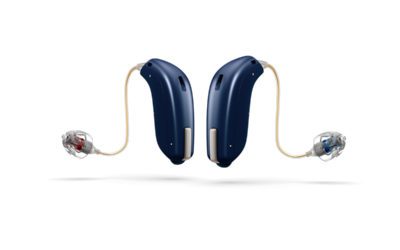
Only 30 percent of hearing-impaired adults aged 70 years and older who could benefit from wearing a hearing instrument have ever worn one. Even fewer adults between ages 20 and 69...