
Better Hearing Blog

HRT May Pose Hearing Risk
Men between ages 20 and 69 years have twice the risk of speech-frequency hearing loss as women do. In women affected by hearing loss, their lessened hearing ability appears to be more...

Less May be More
Music lovers may want to consider that the type of sound processing provided by technically advanced hearing instruments to help wearers make speech more understandable may also make...
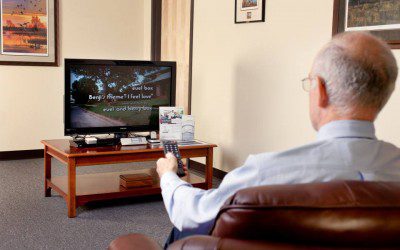
Personal Sound Amplification Products (PSAP’s)
“Personal sound amplification products” (PSAPs) are over-the-counter hearing assistance devices that include software and tools ranging from smartphone apps to wireless headsets....
Come join us for our Open House! October 10th & 11th from 9am – 4pm
Visit us during our upcoming open house, on October 10th & 11th from 9am to 4pm. We'll be celebrating 60 years in business with discounts on selected hearing aids, a 'lunch and learn'...
Age-Related Sensory Loss
Older individuals who are experiencing hearing loss may want to schedule an appointment with the ophthalmologist after they have their hearing tested. According to a study of nearly...
Bluetooth Connectivity
Judging by how much young people rely on their smart phones, tablets, and other electronic devices to stay connected, they may envy the Bluetooth capabilities of their parents’ and...
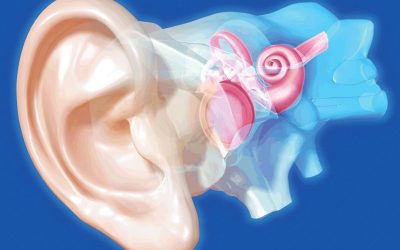
Osteoporosis and Hearing Loss
Osteoporosis, a bone-thinning disease that is associated with declining bone density and fractures, has recently been linked with “sudden onset hearing loss.” This type of hearing...
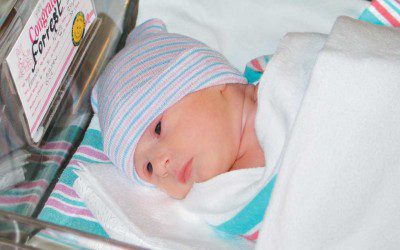
Newborn Screening
In order for babies to have positive speech, language, and listening outcomes, infants must undergo hearing-loss screening. For those who don’t pass initial screenings, the most...
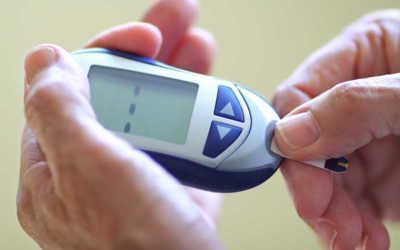
Treating pre-diabetes may spare a pre-diabetic’s hearing.
It is estimated that 86 million Americans (more than one out of three) has “pre-diabetes,” which develops before type-2 diabetes. Moreover, 90 percent of these individuals are unaware...